|
Where it grows
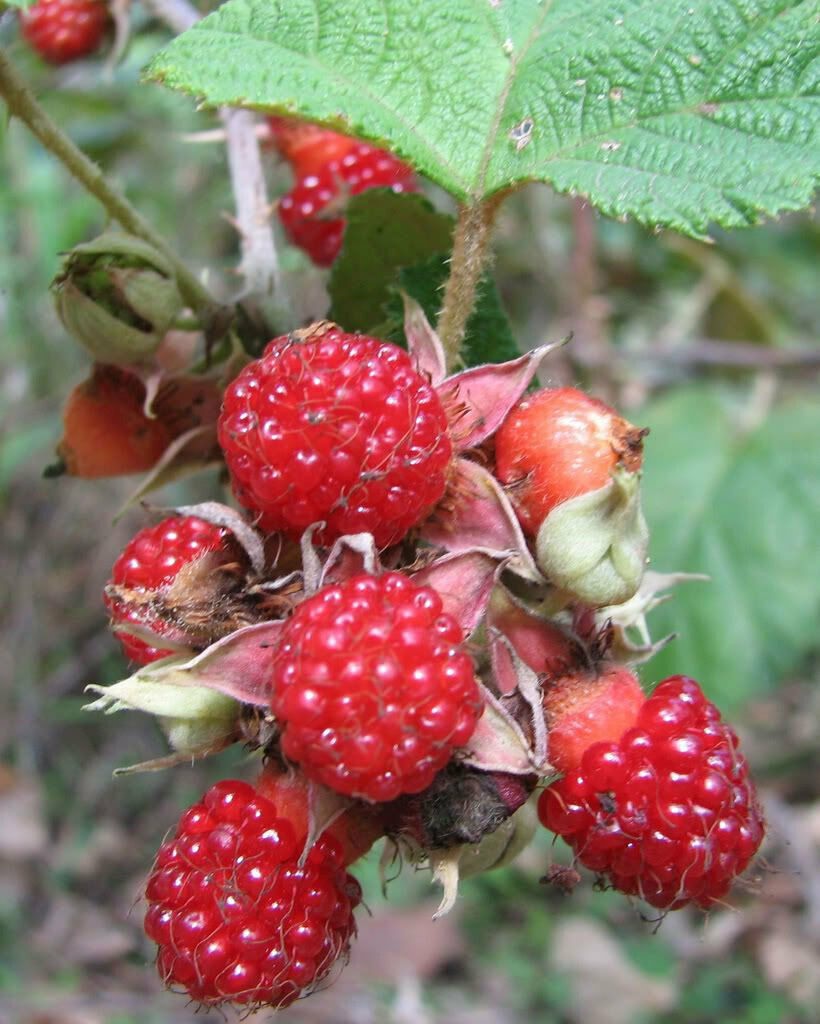
This specific variety of native raspberry can be found all along eastern Australia from Queensland through to Victoria. They thrive in moist eucalyptus forests and rainforests and prefer wetter soil.
Nutritional value identified by First Nations People
The Native Raspberry is known to contain high amounts of bioactive flavonoids. These are essentially chemical compounds, generally found in plants that possess many beneficial properties. Some of these include anti-bacterial, antiviral and cardioprotective properties. These fruits are also high in antioxidants, aiding in the prevention of many diseases. While research into the levels and benefits of these compounds in Native Raspberries is scarce, First Nations Australians have been using them medicinally and for food. They’re commonly brewed into teas and used to treat stomach aches, cases of diarrhoea or even painful menstruation and childbirth.
How we use (your fruit) today
Recent research into the many benefits of the Native Raspberry has caused their rise in popularity. They’re still commonly brewed into teas to treat and ease the symptoms of mild ailments but they have also been recognised for their flavour. People have started cooking them into jams, jellies or sauces. They’re also good eaten raw like European Raspberries.
Why we should farm (your fruit)
Due to their growth in large thorny thickets Native Raspberries are not suited to home growth. They are however hardy, versatile plants, perfect for growing in large, open farms. They’re easy to propagate and adapt to most soil kinds, preferring wetter soils. They also do not require large amounts of fertiliser. Additionally, subspecies of Native Raspberries that are thornless have also been identified. Native raspberries are also immensely nutritious and they have many health benefits. They are also becoming increasingly popular for their appealing taste and versatility when it comes to cooking.
|